
Our Environmental Approach
We take our environmental impact seriously. Read about our approach today and as we move into a greener future.
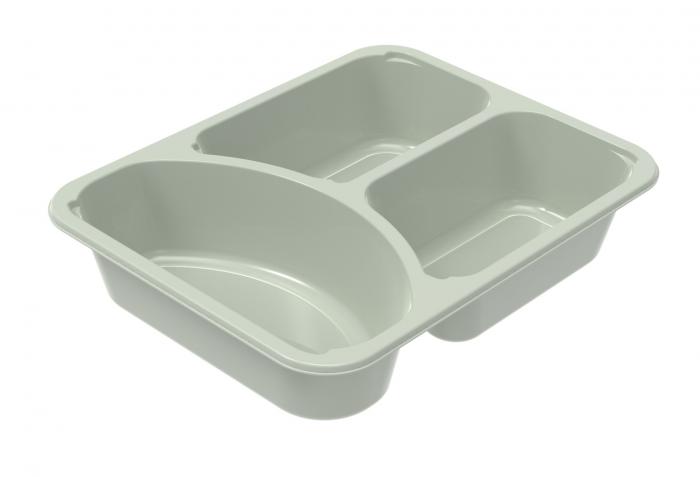
Over the past few years, packaging has received a bad reputation for having a negative environmental impact, but at CiMa-Pak, we are proud to say that most of our packaging solutions are environmentally friendly.
The objective is to leave little or no trace once a packaging material has been used. The choices are to reuse it, recycle it, compost or biodegrade it so that the environment is not affected by its disposal. CiMa-Pak focuses on and believes in recycling. Use the trays again by recycling them back into another new tray. Circularity in sustainability.
Evolve trays by Faerch, distributed by CiMa-Pak, follow this Circularity plan. The Evolve colours are naturally occurring in the recycled content. No colour additives are used. Evolve trays are original, different, and stand out from the crowd of trays. Clearly indicating they are environmentally friendly in their colour and recyclability. Producers can make good choices and consumers can make environmental choices at the time of purchasing.
Please feel free to ask us any and all of your questions regarding your new environmentally friendly packaging system.
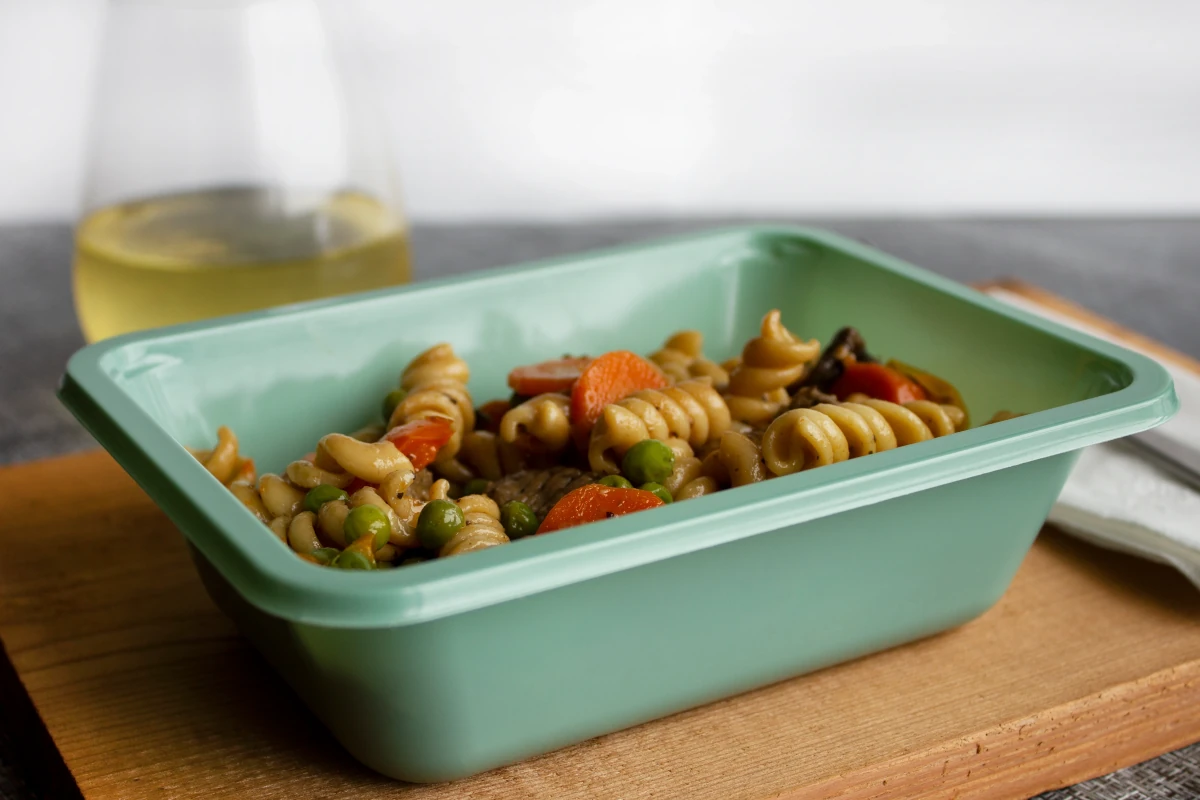
Plastic packaging has become a cornerstone of modern food preservation, playing a critical role in reducing food waste and extending the shelf life of perishable goods. One of the most significant ways plastic packaging helps is by providing an airtight barrier that prevents exposure to oxygen, moisture, and contaminants. This simple but effective protective layer slows down the oxidation process, which is a major factor in food spoilage. For products like fruits, vegetables, dairy, and meats, plastic wraps, containers, and vacuum-sealed bags significantly extend their freshness, reducing the need for frequent restocking and minimizing waste.
The versatility of plastic also enables the use of innovative technologies like Modified Atmosphere Packaging (MAP) and vacuum sealing, both of which help further extend the shelf life of food. MAP replaces the air inside the packaging with a mixture of gases that reduce the growth of spoilage-causing microbes, while vacuum sealing removes all air to create a nearly sterile environment. These technologies, often used in plastic packaging, are particularly beneficial for high-risk foods such as meat, seafood, and baked goods, keeping them fresher for days or even weeks longer than they would be in traditional packaging.
While the environmental impact of plastic waste is a growing concern, it’s important to recognize that its role in reducing food waste outweighs some of the downsides when used responsibly. By preventing spoilage and prolonging the usability of food, plastic packaging helps reduce the volume of edible goods that end up in landfills, which is a significant contributor to food waste globally. As technology advances, more sustainable alternatives to plastic are being explored, but for now, plastic remains one of the most efficient tools in the fight against food waste.
Ultimately, plastic packaging serves as a practical solution to a global issue, helping to save money, reduce environmental impact, and ensure food reaches consumers in optimal condition. By striking a balance between convenience, efficiency, and sustainability, plastic packaging remains an essential tool in modern food distribution and preservation.
Learn more about all of the different ways we can help you thrive in your industry.

Schedule a 1-on-1 call with a CiMa-Pro to get expert advice on the combination of trays, tray sealer and film that will help you succeed in your business.